Built for Efficiency and Long-Term Performance
Sustainable Design and Build services in Greenville that respond to local climate and building standards
When you build in Greenville, you face seasonal humidity, warm summers, and the need for homes that perform well without constant maintenance or high energy costs. Sustainable design addresses these conditions by planning layouts that manage airflow, selecting materials that hold up in the Upstate climate, and coordinating systems that reduce long-term operating costs. Maeventure Development LLC works with homeowners and developers who want homes built to last in Greenville neighborhoods where thoughtful design improves both comfort and resale value.
This service integrates environmentally responsible principles into residential and mixed-use construction from the earliest planning stages. You work with a team familiar with energy-efficient layouts, durable material selection, and the building standards specific to Greenville. The focus remains on reducing waste during construction and coordinating design decisions with actual building methods so nothing gets overlooked or redone. Projects are planned to respond to local conditions rather than following generic efficiency checklists that ignore how homes actually function in Southern climates.
If you are planning a project in Greenville and want to explore sustainable building options that fit your site and goals, reach out to discuss how design and construction can work together from the start.
How Design Decisions Shape Long-Term Home Performance
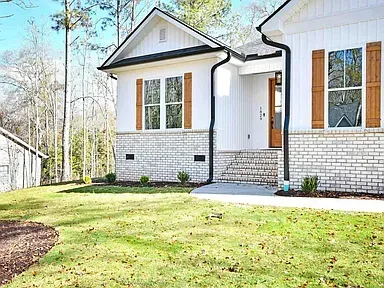
Sustainable building begins with layout decisions that affect how your home handles heat, moisture, and energy use throughout the year. In Greenville, that means positioning windows to manage direct sun exposure, planning roof overhangs that shed rain without trapping humidity, and selecting insulation and ventilation systems that work together rather than against each other. Material choices follow the same logic, prioritizing durability and performance over appearance alone.
After construction, you notice cooler indoor temperatures during summer afternoons without running air conditioning constantly. Utility bills stay lower because the home was designed to reduce heating and cooling demand rather than relying solely on mechanical systems. Finishes and exterior materials require less frequent repair because they were chosen to tolerate moisture and temperature swings common in the Upstate.
The process involves close collaboration between design and construction teams to prevent miscommunication and material waste. Sustainable building does not mean using every available green product, but rather making informed decisions about where efficiency upgrades provide measurable benefits. You receive guidance on which features make sense for your budget and site conditions, and the project moves forward with clear expectations about performance and maintenance.
Questions That Come Up When Planning Sustainable Builds
Homeowners and developers often ask how sustainable design affects project timelines, costs, and day-to-day living in finished homes, so the following questions address those practical concerns.
Maeventure Development LLC has worked with clients across Greenville neighborhoods where sustainable upgrades have improved both comfort and long-term property value. If you are ready to explore how environmentally responsible design fits into your residential or mixed-use project, schedule a consultation to review your site and goals.